

TL;DR: The recent wave of 2016 throwback photos reflects more than filters and fashion. For many millennials and older GenZ, it signals a collective response to a more fragmented, high-anxiety digital world shaped by algorithms, AI, and post-pandemic fatigue. 2016 is remembered as the last era of shared culture, spontaneity, and a lighter internet. The trend shows how nostalgia helps people process uncertainty rather than escape it.
Open Instagram or TikTok right now and you’ll feel like the internet has slipped into a time loop. Grainy selfies. Snapchat dog filters. Chokers, side parts, and VSCO-era glow. Suddenly, everyone is posting pictures from 2016.
At first glance, it looks like just another nostalgia trend, one more aesthetic cycle resurfacing for clicks. But the sheer scale of it, and the strange emotional intensity behind these posts, suggests something deeper. The emotion attached to these posts reflects a shift in how the internet is experienced today.
For many millennials and older Gen Z users, 2016 represents the last moment before everything became heavier: before algorithms dominated creativity, before the pandemic fractured time, before online spaces turned relentlessly performative. The return to 2016 is a collective pause; an attempt to remember a version of life that felt lighter, more shared and less optimized.
So why is this happening now? What does our obsession with a decade-old year reveal about how we’re coping with the present? Why are we posting pictures from 2016?
People are longing for what the 2016 election represented. A less fragmented internet, fewer global shocks and a time when culture felt shared rather than algorithmically siloed. The trend reflects emotional processing, not regression.
How Big Is the 2016 Nostalgia Trend on Social Media?
The trend's reach is staggering. Over 55 million videos have been created using 2016-style filters on TikTok, with more than 1 million posts using the #2016 hashtag on the platform. On Instagram, the #2016 hashtag has appeared in over 37 million posts, with celebrities and everyday users alike digging through their camera rolls to share throwback photos.
Why Does 2016 Feel So Significant to So Many People?
What Social Media Was Like in 2016 And Why People Miss It
2016 marked a time when community flourished on social media, with people dumping entire camera rolls into messy Facebook albums and sending silly Snapchat selfies. The platforms felt less curated, more spontaneous and genuinely fun.
Content creators enjoyed more creative freedom. Algorithms were less aggressive, allowing for more authentic, heart-driven content rather than the algorithm-optimized posts we see today.
Why 2016 Is Seen as the “Before Times”
Beyond the pop culture moments, 2016 marked significant political and social shifts. Donald Trump's election as U.S. President in November 2016 shocked many and signaled a dramatic change in American politics. Brexit, the UK's vote to leave the European Union, reshaped the geopolitical landscape. These events created deep divisions and marked what many see as a turning point in modern history.
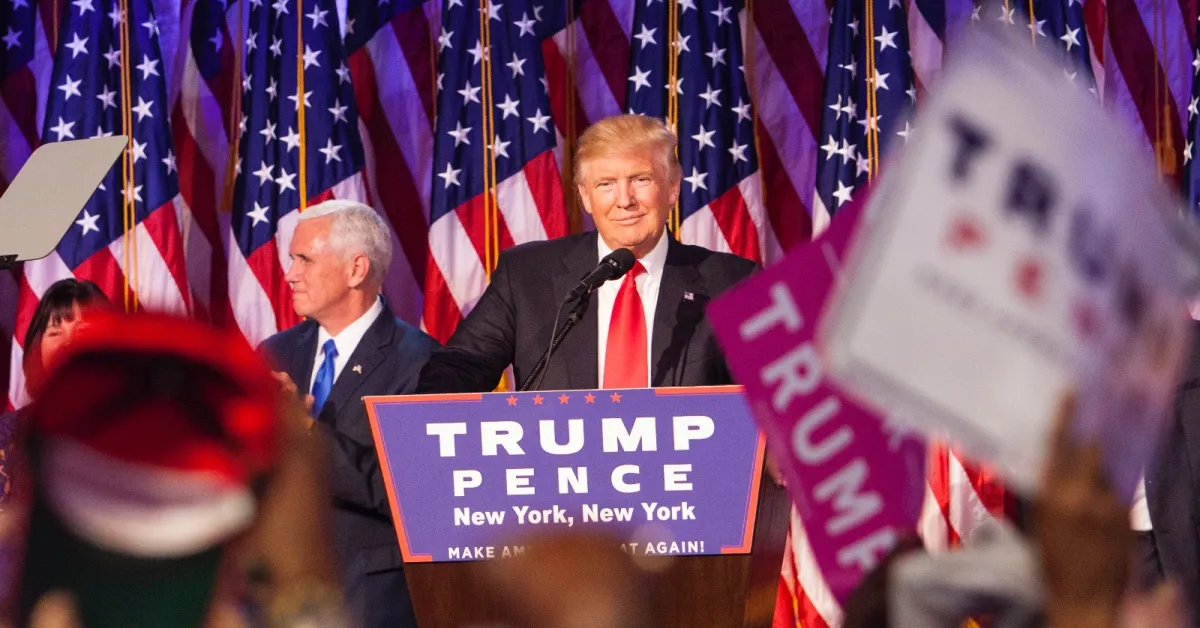
For those nostalgic for 2016, the year often represents the before times: a period preceding these major political shifts and the subsequent years of intense polarization and upheaval.
What Made 2016 Pop Culture Feel So Shared
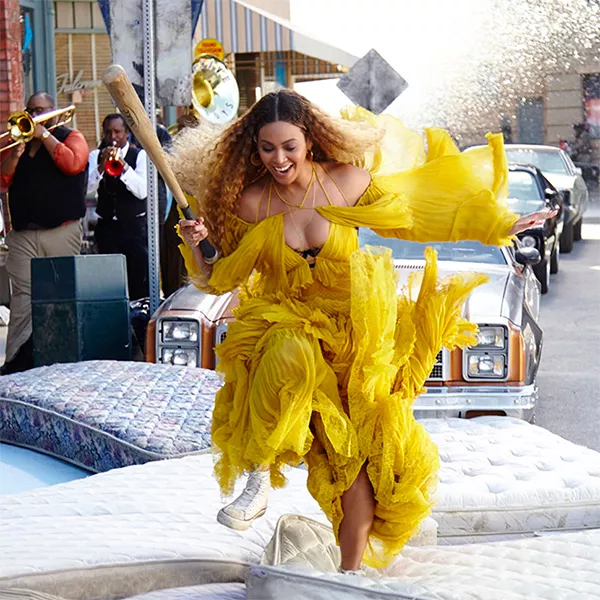
The year delivered cultural touchstones across multiple domains. Beyoncé released "Lemonade" with its iconic "Becky with the good hair" lyric. Drake's "One Dance," The Chainsmokers' "Closer," and Rihanna's "Work" dominated airwaves. Netflix launched "Stranger Things," and Pokémon Go created a global phenomenon that had people exploring their neighborhoods.
The Mannequin Challenge went viral, "Damn, Daniel" became a meme, and everyone was obsessed with Snapchat's puppy dog filter. These shared experiences created what some call the last gasp of American monoculture.
The 2016 Aesthetic People Are Recreating Today
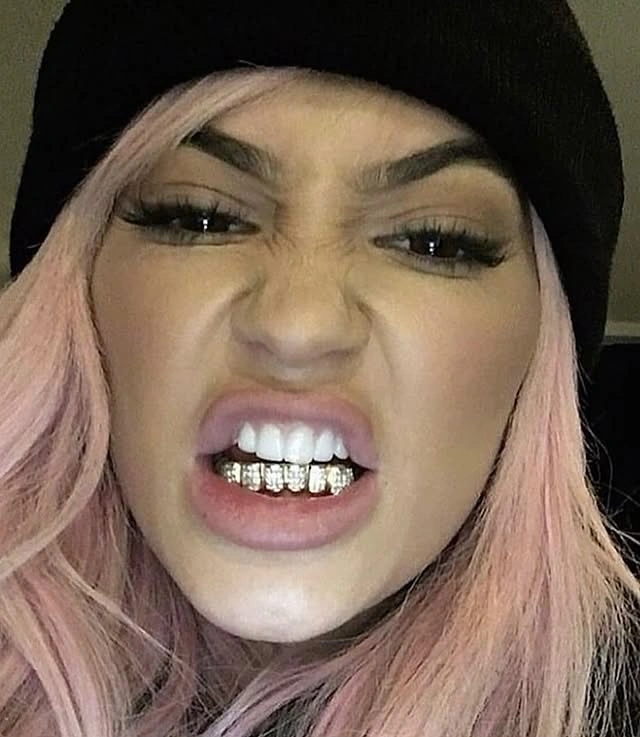
Fashion in 2016 embraced a distinctive aesthetic. Choker necklaces made a chic comeback, athleisure dominated street style, and brands like Supreme, Fear of God, and early Yeezy collections shaped wardrobes. Kylie Jenner's "King Kylie era" peaked with her lip kits, while VSCO filters gave every photo that signature oversaturated, rosy glow.
Why Is 2016 Nostalgia Trending Right Now?
Why Millennials and Gen Z Feel Most Attached to 2016
Young millennials are now in their early 30s, while older Gen Z are in their late 20s. A decade ago represented a formative period of youth and possibility for these generations.
For millennials, 2016 often coincided with major life milestones like college graduation or first jobs, while Gen Z remembers prom seasons and peak high school years. These formative experiences amplify the emotional resonance of the year. Looking back a decade allows people to reflect on who they were during that youthful period and how much has changed since.
Is the 2016 Trend a Reaction to the Present?
The trend reflects nostalgia for a time before the COVID-19 pandemic, widespread online misinformation and the increasing presence of AI-generated content. Many view 2016 as the final year before significant global shifts, including political changes and evolving social media dynamics.
Why Nostalgia Feels Comforting During Uncertain Times
Psychologists note that nostalgia serves important emotional functions. It provides comfort during uncertain times, helps regulate emotions, and counters anxiety or dissatisfaction with the present. By sharing old photos, people reconnect with younger versions of themselves who felt lighter and less burdened.
The trend also strengthens personal identity. Looking back at who we were reminds us of our growth and the continuity of our personal stories over time.
Which Celebrities Are Posting 2016 Throwbacks?
The trend has attracted participation from celebrities and regular users alike. Kylie Jenner shared photos from her "King Kylie era," while Lily Collins, Charlie Puth, Selena Gomez, and Shay Mitchell posted their own throwback collections. International celebrities from India and the Philippines have also joined, making this a global phenomenon.
Musicians like Khalid and Rae Sremmurd shared nostalgic content, with the latter posting old Mannequin Challenge videos set to "Black Beatles," their 2016 hit.
Why Some People Are Pushing Back Against 2016 Nostalgia
Not everyone views 2016 through rose-colored glasses. Some users have pushed back against romanticizing the year, pointing to significant challenges including Brexit, political upheaval, the Pulse nightclub shooting, and the Zika outbreak.
Critics argue that focusing on aesthetic trends and pop culture moments overlooks the year's serious events. As one publication noted, the phrase "Fuck 2016" was trending by year's end, highlighting how selective memory shapes nostalgia.
As one expert observed, 2016 represented the beginning of the end of a golden era when people felt genuinely positive about the internet, social media, and politics.
What the 2016 Throwback Trend Really Says About Us
The 2016 nostalgia wave reveals how people use memory not to escape reality but to cope with it. By sharing throwback photos and recreating old trends, users aren't literally wishing to return to 2016. Instead, they're processing current anxieties by reconnecting with moments when life felt more hopeful and less complicated.
Cultural observers suggest 2016 felt like the last time Americans shared common cultural conversations, when people discussed the same movies, music, and TV shows. In our current era of fragmented streaming platforms and algorithmic content feeds, that sense of collective experience feels increasingly rare.
The Risk of Hollow Participation
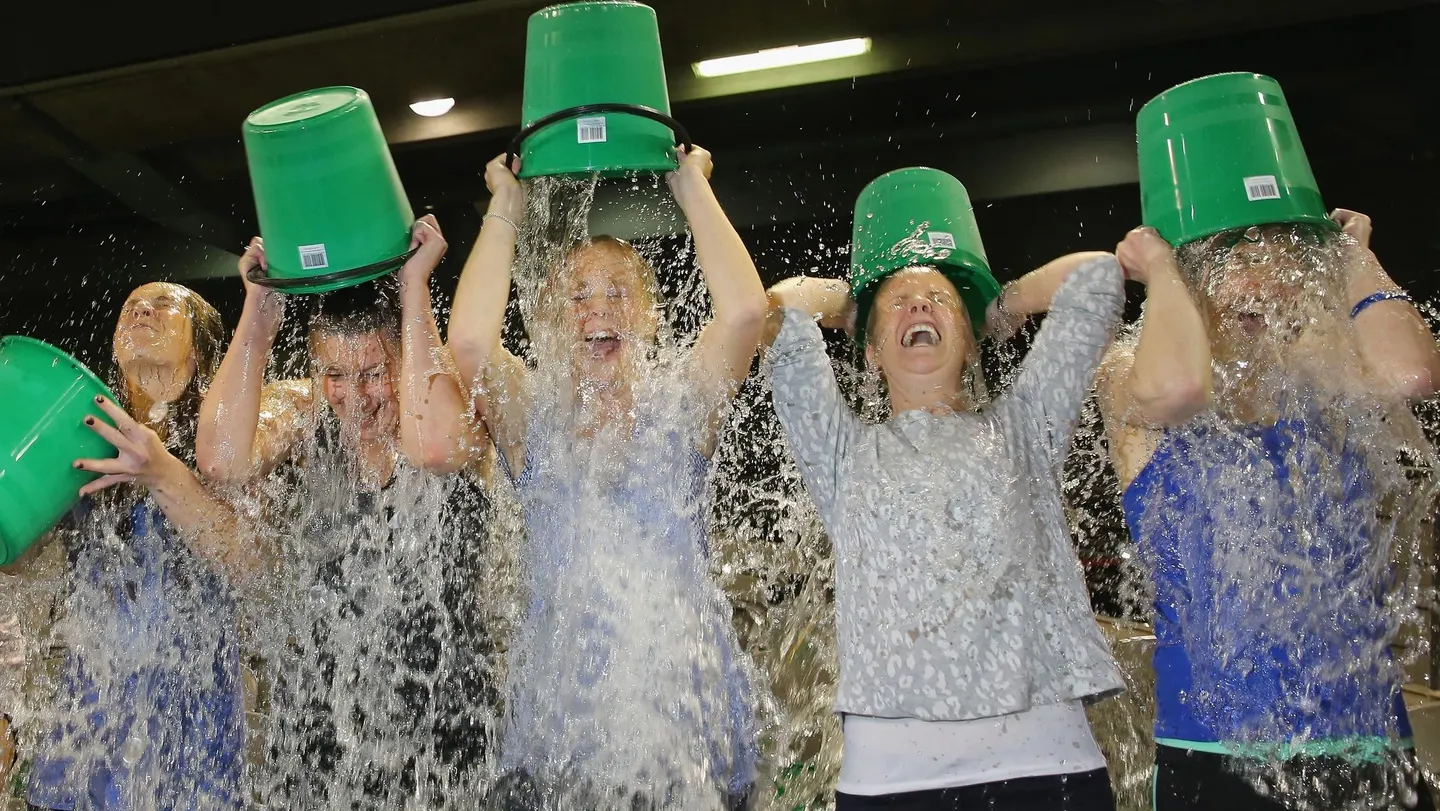
Some observers warn that the trend has become a status-driven cultural phenomenon where people jump on the bandwagon without understanding its deeper implications. Similar to the ALS Ice Bucket Challenge, which raised awareness but sometimes felt performative, the 2016 trend risks becoming hollow when participants focus solely on aesthetics without acknowledging what the year actually represented.
Anyone posting throwback photos should consider what they're really nostalgic for. Is it the carefree feeling of youth, or are they inadvertently romanticizing a year that brought significant geopolitical upheaval? Participating in the trend without reflecting on its meaning can come across as following what's popular without understanding the context.
Should You Join the Trend?
Whether or not you participate, the 2016 nostalgia trend offers a window into how social media shapes our relationship with memory and identity. If you're feeling the pull, dig through your old photos, revisit your favorite songs from the era, or simply reflect on how much has changed in a decade.
Just remember that while nostalgia can provide comfort and connection, it works best when balanced with appreciation for growth and awareness of both the positives and challenges of any era, including our own.
The 2016 trend ultimately demonstrates that sometimes, looking back helps us move forward with greater perspective and gratitude for the journey we've taken.