Mental Market Monopoly is a Sparklin framework exploring how consideration narrows around familiar brands, how brands become defaults, and how those defaults can create mental moats.

TL;DR:
Mental Market Monopoly is the degree to which a brand dominates the options a customer seriously considers for a particular need or occasion, even when many competitors remain available. Brand awareness alone isn’t enough: a brand has to enter consideration and can eventually become a default that customers rarely reconsider. When little structurally prevents customers from switching but they still see little reason to choose again, that position can create a mental moat. This helps explain why famous brands keep advertising, why market share can hide very different competitive positions, and why challengers sometimes need to change the choice rather than simply offer a better alternative.
On April 23, 1985, Coca-Cola announced that it was changing the formula of Coke for the first time in 99 years. The decision had taken almost two years of development and nearly 200,000 consumer taste tests, with the new formula performing well enough against both Pepsi and the original Coke for Coca-Cola to replace its most important product. This wasn’t a company ignoring research. It was a company acting on an extraordinary amount of it.
The reaction was rather different from anything the taste tests had suggested. People began stockpiling bottles of the original Coke. In Seattle, a retired businessman named Gay Mullins helped form the Old Cola Drinkers of America and tried to force Coca-Cola to bring it back. Protesters poured New Coke down drains, and letters arrived at the company’s Atlanta headquarters, including one addressed to “Chief Dodo, The Coca-Cola Company.” Employees answering Coca-Cola’s phones heard callers talk about drinking Coke at weddings and other moments in their lives, which was not quite the reaction anyone had expected to a reformulated soft drink.
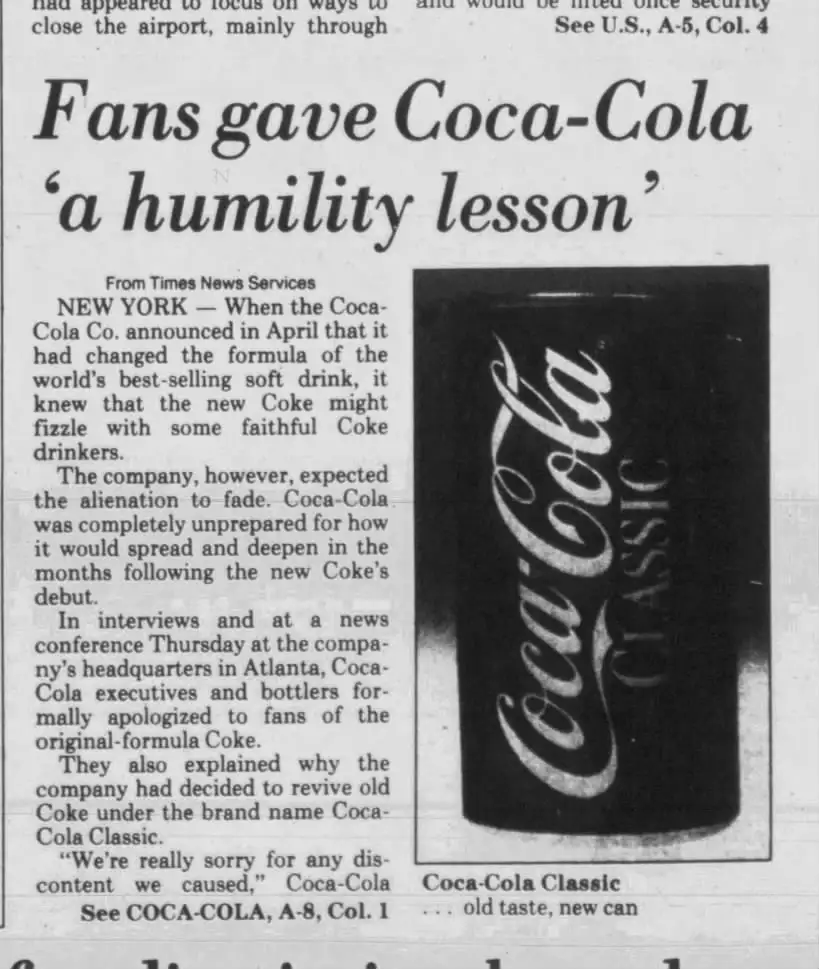
Seventy-nine days after introducing New Coke, Coca-Cola announced that the original formula would return as Coca-Cola Classic. Donald Keough, the company’s president, acknowledged that all the money, time and skill poured into the research had failed to reveal the depth of people’s attachment to the original Coca-Cola.
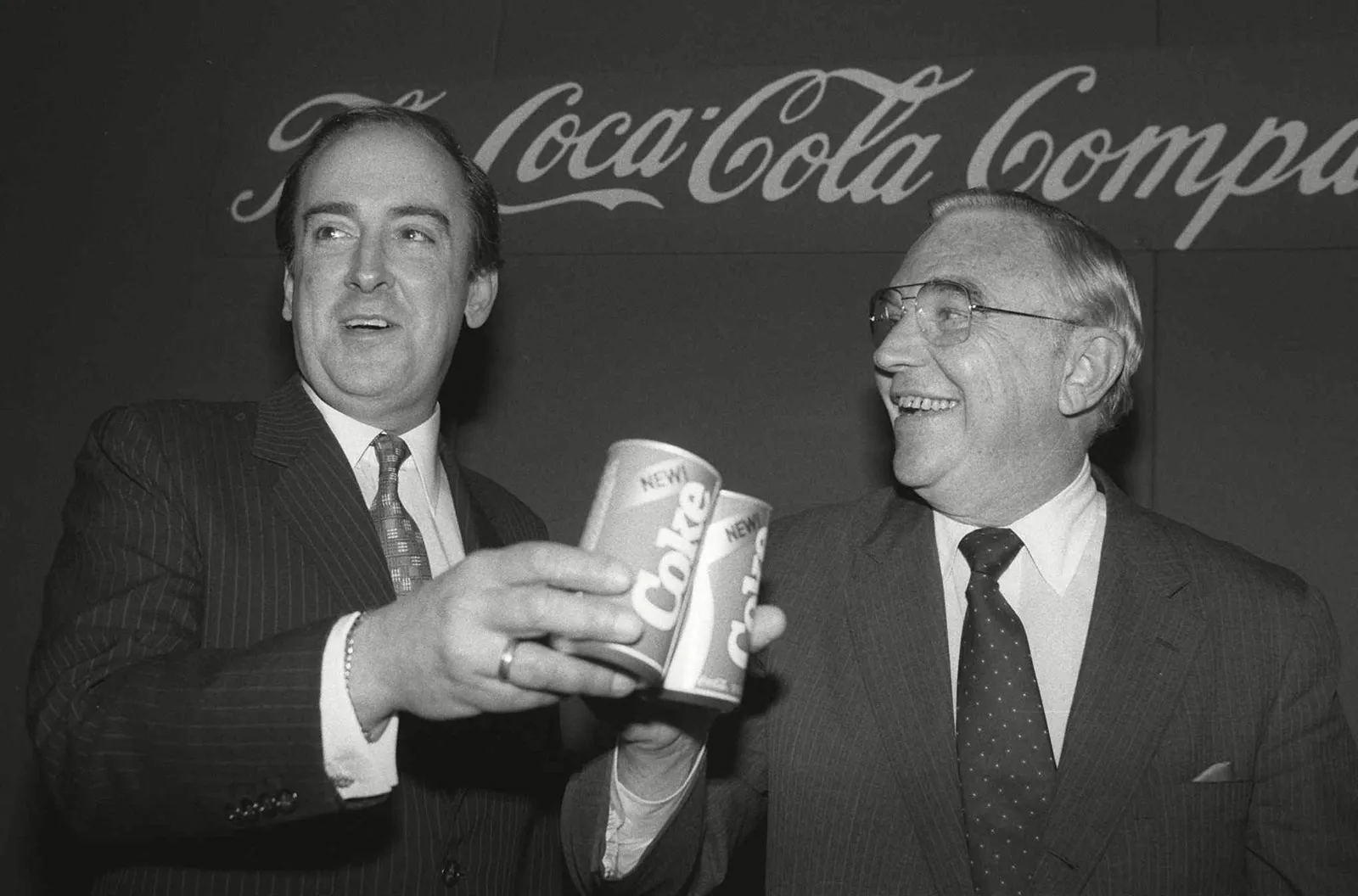
The research hadn’t necessarily failed at what it was designed to do. Put two anonymous drinks in front of someone and ask which tastes better, and a blind taste test is a reasonable way to find out. Nobody normally encountered Coca-Cola as an anonymous brown liquid in a numbered cup, though. By 1985, Coke arrived with almost a century of other things attached to it: the name, the lettering, the bottle, an expectation of what Coke should taste like and whatever personal memories had accumulated around drinking it.
Removing those things was necessary if Coca-Cola wanted to isolate taste, but removing them also changed the choice. Someone who ordinarily asked for Coke without comparing it with Pepsi was now being explicitly asked to compare the two. The experiment had recreated the market in a form that everyday life often didn’t.
That difference between the market available to someone and the much smaller market they actually consider is what I mean by a Mental Market Monopoly.
What Is Mental Market Monopoly?
Mental Market Monopoly is the degree to which a brand dominates the set of options a customer seriously considers for a particular need or occasion, even when many competing alternatives remain available.
Imagine a supermarket with eight brands of toothpaste on the shelf. You recognize six and could probably name four without looking, but if you have bought the same toothpaste for ten years, perhaps only one or two have any realistic chance of leaving the shop with you. All eight brands are competing in the economic market, while your market might contain two and, on an ordinary purchase made alongside milk, bread and twelve other things, effectively one.
The monopoly here isn’t necessarily in the industry. It is in the customer’s considered market. Eight toothpaste brands can compete on the same shelf while only one or two remain realistic choices for a particular customer.
The useful unit is often the occasion rather than an entire product category. Someone might use one service when choosing a restaurant and another when ordering dinner, or search Google when looking for a website and ask an AI assistant when they want something explained. A brand can become the default answer to a particular situation without becoming the only brand someone ever uses.
Consumer behavior already has useful language for several parts of this process. Brand awareness describes whether customers know a brand exists. Brand recall is the ability to retrieve the brand from memory, while mental availability describes how likely the brand is to come to mind in a buying situation. A consideration set is smaller still: the group of brands a customer seriously considers before making a choice. Mental Market Monopoly describes what happens as that consideration set becomes increasingly concentrated around one answer.
An awareness problem requires a different response from a consideration problem. Customers who don’t know a brand need to discover it. Customers who know the brand but don’t think of it when the relevant need appears have a mental-availability problem. Someone may remember the brand perfectly well and still not seriously consider buying it. Once another brand has become the default, the harder problem is getting that customer to reopen a choice they no longer feel much need to make.
Mental Market Monopoly doesn’t replace mental availability, consideration sets, brand loyalty, habit or switching costs. Those ideas describe different parts of consumer behavior. MMM describes the competitive condition that emerges when fewer and fewer of the available alternatives remain active in someone’s choice.
Brand Extensions: Why Famous Brands Can Fail in New Categories
A photograph has circulated online for years of Colgate Beef Lasagna, supposedly a frozen dinner launched in 1982 and remembered as one of the more spectacular brand extensions in corporate history. The photograph is great, but the story isn’t. The package was created much later for the Museum of Failure, which acknowledges taking “a good measure of artistic freedom” with its reconstruction.
Colgate did experiment with food decades earlier. Contemporary reporting from the 1960s describes a short-lived Colgate Kitchen range that included dried chicken and crabmeat entrees. There was nothing particularly strange about a large consumer-products company entering another consumer category, but putting the Colgate name on food created a problem that a newly invented food brand would not have had.
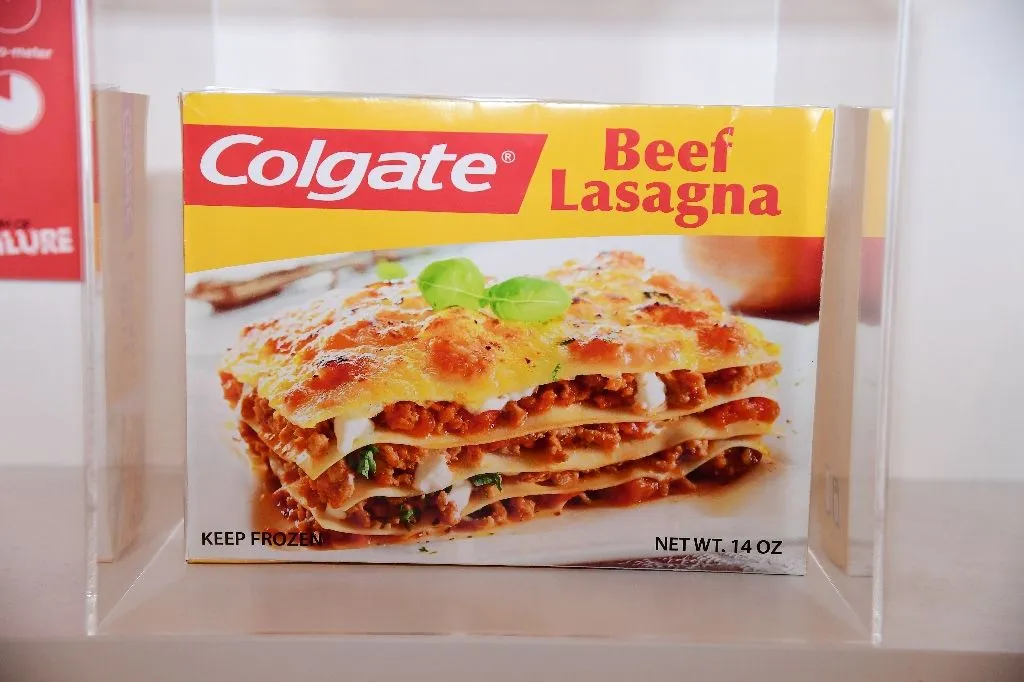
A brand extension uses an established brand name to enter another product or category. By the time Colgate experimented with food, the company had spent decades making its name valuable by connecting it strongly with oral care. That association was enormously useful when the product on the shelf was toothpaste but rather less useful when the same name appeared on dinner.
Colgate didn’t have an awareness problem. People already knew what Colgate meant, and the same memory that made the name valuable in oral care could make Colgate feel out of place on a dinner table.
Strong brand awareness doesn’t guarantee a successful brand extension because customers can recognize a brand without considering it appropriate for the new category. Someone might know the company, immediately recognize its packaging and recall its name without giving the new product any realistic chance of being chosen. Memory gets a brand into someone’s head, but consideration determines whether it gets into the much smaller group from which the purchase is likely to come.
Brand Awareness vs Brand Consideration
In 2008, Deepinder Goyal and Pankaj Chaddah were working at Bain & Company when they started putting restaurant menus online. The project became Foodiebay and eventually Zomato. The original problem was wonderfully ordinary. Restaurant menus were difficult to access, so someone sitting at work and wondering where to eat could use Foodiebay instead of hunting for menus individually. Before services like this, you often asked friends, called the restaurant, found an old takeaway menu or simply went somewhere you already knew.
Food delivery eventually changed the situation. Swiggy launched in 2014 with delivery at the heart of its proposition, while Zomato expanded from restaurant discovery into delivery as well.
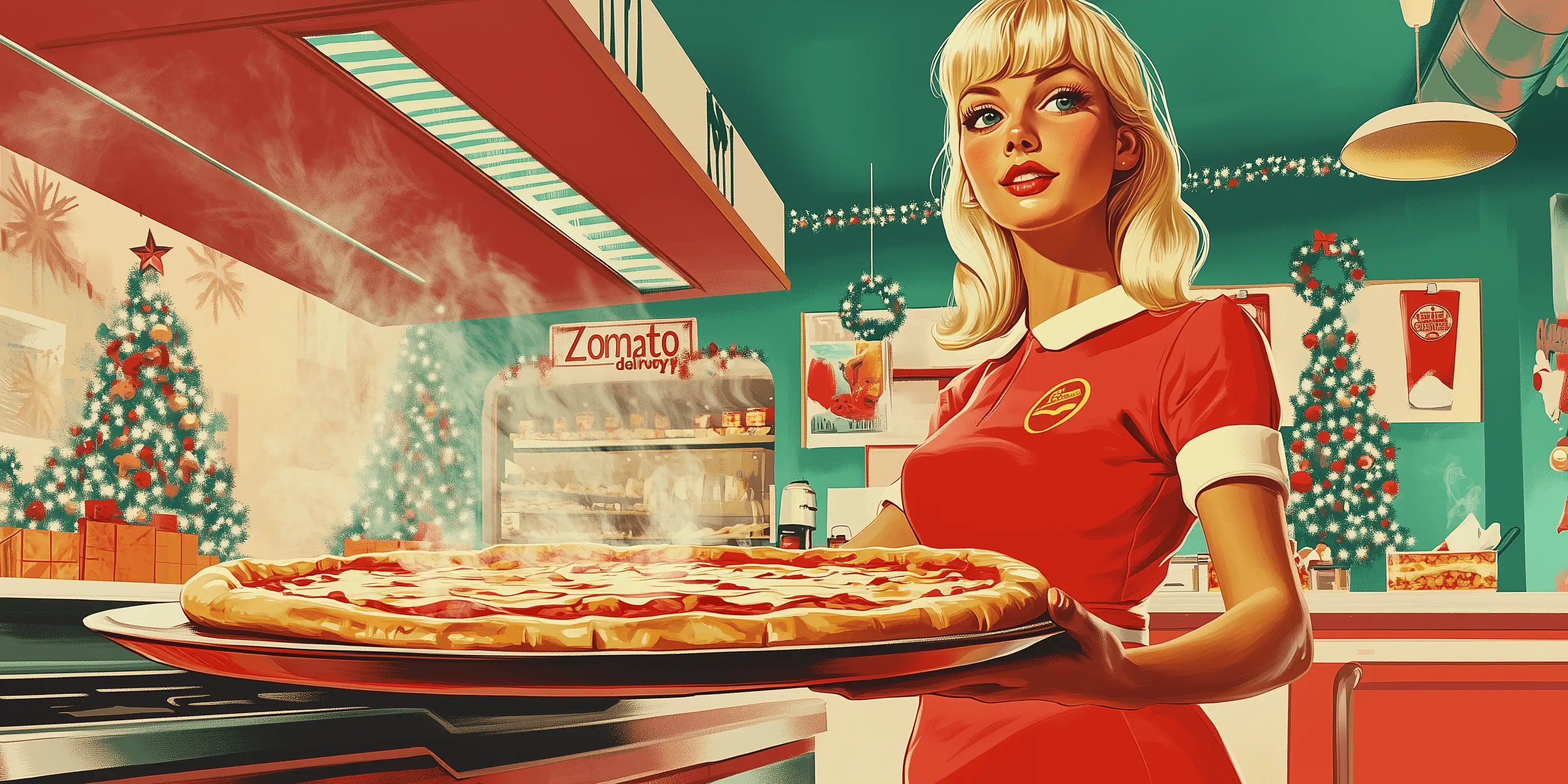
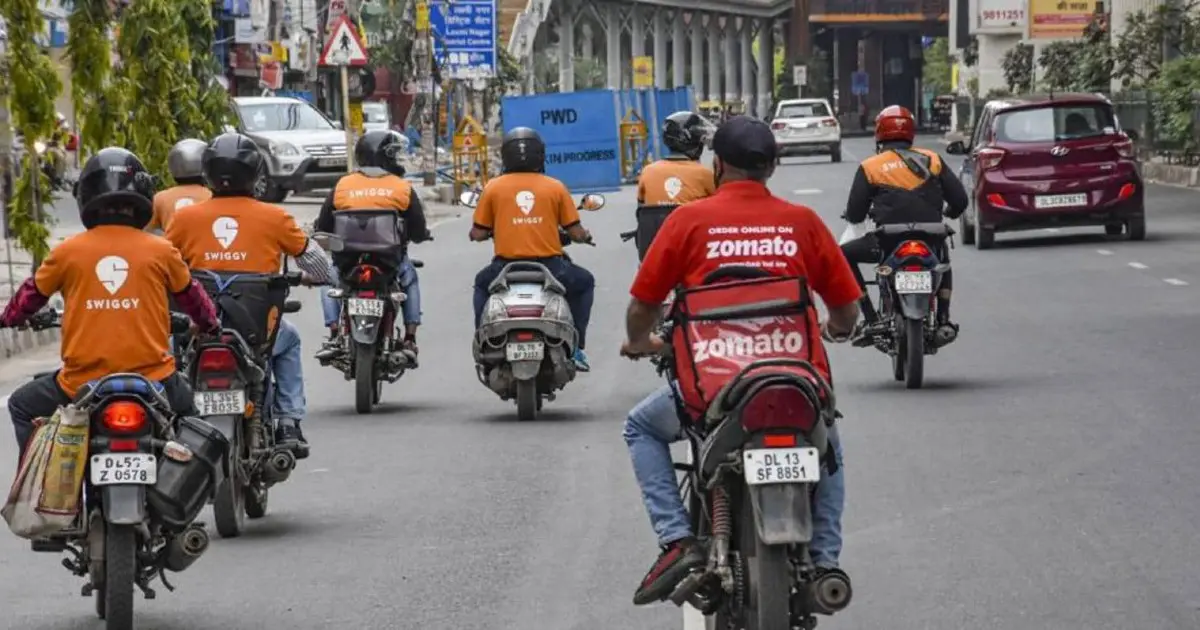
Someone in Delhi who gets hungry at 8:30 on a Tuesday night may now have several food-delivery apps operating in the neighborhood. They may know five of them and even have three installed on the same phone, yet dinner might still begin by opening Zomato or Swiggy.
Knowing that five food-delivery apps exist is brand awareness. Seriously considering only Zomato and Swiggy is brand consideration.
A third food-delivery app might appear perfectly competitive on paper. It has restaurants people want, competitive prices, fast delivery and a good interface, but none of those advantages matter until someone thinks to open it. The app can lose before its prices, restaurants, delivery time or interface have been compared.
Zomato and Swiggy don’t even need to individually monopolize the decision for the market to have narrowed considerably. If five companies can deliver dinner but someone routinely considers two, three competitors have already disappeared from that person’s effective market. If one of those two becomes the habitual first stop, the market gets smaller again. A challenger brand can be widely known and barely considered.
Why Do Famous Brands Keep Advertising?
In 1915, as imitators appeared with names such as Koka-Nola and Koke, Coca-Cola asked bottle manufacturers to develop packaging distinctive enough that someone could recognize a Coke bottle by touch in the dark or identify one lying broken on the ground. The Root Glass Company in Terre Haute, Indiana produced the winning design, which was patented in November 1915 and adapted for production the following year.
Coca-Cola wanted people to know it was Coca-Cola before they had even read the words Coca-Cola.
Today, Coca-Cola’s contour bottle would be described as a distinctive brand asset: a recognizable element such as a shape, symbol, character, sound or other sensory cue that helps people identify a brand without depending entirely on its name.
There is a cognitive reason familiarity matters here. Research on visual search has found that people locate familiar brand logos faster than unfamiliar ones. We don’t need the much stronger claim that brands somehow bypass consciousness or secretly control the subconscious. Familiar visual forms can simply become easier and faster to recognize.
Coca-Cola had designed the contour bottle around instant recognition decades before researchers could measure familiar-brand recognition in a laboratory. Its shape could tell you what you were holding.
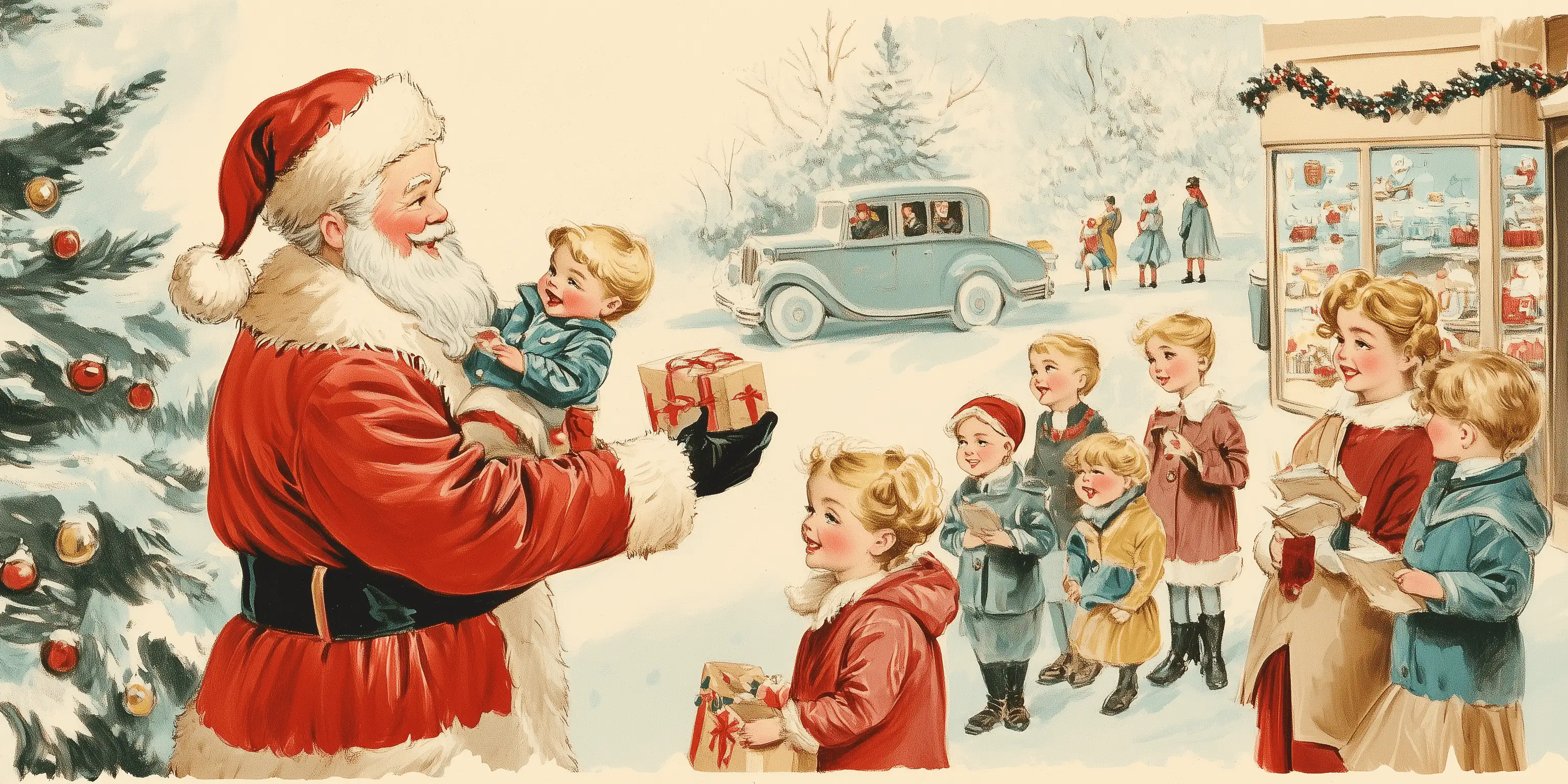
Beginning in 1931, Haddon Sundblom painted Coca-Cola’s Santa Claus for advertisements that appeared in magazines, stores, posters, calendars and other formats for decades. Coca-Cola didn’t invent the red-suited Santa, despite the story being repeated often enough that the company itself has had to correct it, but Christmas gave Coca-Cola another recurring context in which people encountered the brand year after year.
In much of North India, thanda was already part of ordinary conversation. Someone visiting your home might be offered something thanda or garam, cold or hot. At a restaurant, shop or roadside stall, asking for thanda didn’t necessarily mean cola. Depending on where you were, it might mean lassi, nimbu pani or whatever cold drink was available.
For Coca-Cola, the breadth of thanda made the opportunity much bigger than cola. Particularly as Coca-Cola pushed beyond India’s large cities, the company wasn’t only competing with Pepsi after someone had already decided to drink a cola. Coke was competing with water, juice, lassi, nimbu pani and every other answer to the earlier question of what to drink.
“Thanda Matlab Coca-Cola” tried to connect that everyday word directly with Coca-Cola. The campaign, created by McCann-Erickson India and associated with Prasoon Joshi, used Aamir Khan in a series of regional characters as Coca-Cola expanded its attention to rural and semi-urban consumers. Coca-Cola wasn’t inventing thanda and spending money to make people remember the word. People were already saying it in homes, restaurants and shops. The ambition was to make Coca-Cola come to mind when people used a word that could appear before they had even decided which cold drink they wanted.
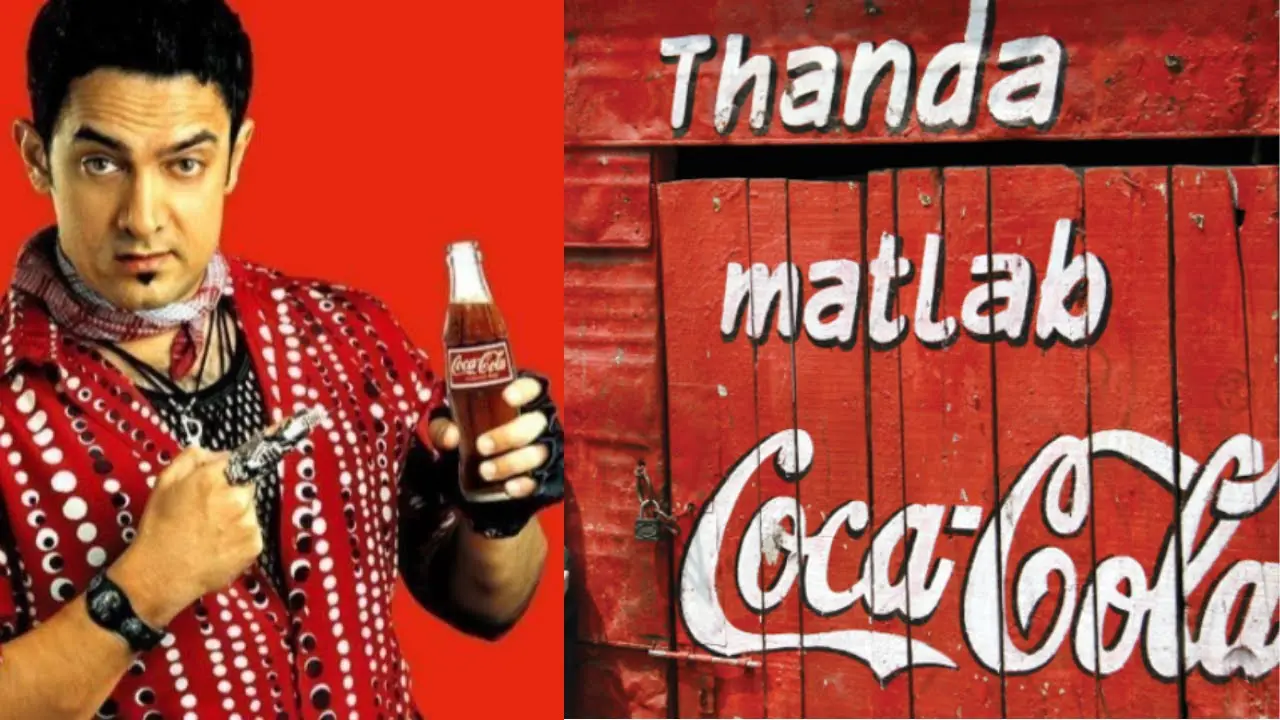
The contour bottle, Sundblom’s Santa and thanda worked in different ways: the bottle helped people recognize Coca-Cola, Christmas repeatedly connected Coca-Cola with an occasion, and thanda attempted to connect Coca-Cola with language around the need itself.
Someone who has been drinking Coke for thirty years doesn’t need another advertisement to discover that Coca-Cola exists. Famous brands keep advertising because awareness alone is not enough. Advertising helps keep a brand recognizable and easier to retrieve when a relevant buying situation occurs, strengthening mental availability among people who already know the brand.
Advertising alone doesn’t create or protect a default. Coca-Cola still has to be available when someone wants it, the drink has to work as expected, and price, distribution, culture, recommendations and competitors continue to matter. Repeated disappointment gives someone a reason to look elsewhere. But if Coca-Cola comes to mind easily, is recognized almost instantly, is available nearby and has worked perfectly well the previous hundred times someone bought it, there are fewer reasons to inspect the entire drinks market again.
For an established brand, advertising isn’t necessarily introducing something new. Part of its job is keeping the familiar answer easy to remember when the same need returns.
How Do You Compete With a Brand That Is Already the Default?
Zomato originally became useful by helping people answer a question: Where should we eat? Its restaurant listings, menus and reviews made that decision easier. Food delivery changed the question because once the restaurant could come to you, “Where should we eat?” increasingly competed with “What should we order?”
When Swiggy launched in 2014, it didn’t need to build a better version of Zomato’s original restaurant-discovery product. Delivery gave people another way to solve the larger problem of getting food. Zomato eventually moved aggressively into delivery too, but a company that had become useful around restaurant discovery now had to respond as more meals began with a different behavior.
R.J. Reynolds tried something much more radical in the 1980s. Premier was a cigarette unlike the cigarettes smokers already knew. Instead of burning tobacco in the conventional way, it used a carbon heat source and produced little visible smoke or ash. The company spent years and hundreds of millions of dollars developing it before test-marketing Premier in 1988.
Technically, there was plenty to distinguish it. Using it was another matter. Premier was difficult to light, required smokers to change familiar behavior and produced a taste that one Washington Post account compared with a “burning tennis shoe.” R.J. Reynolds withdrew it from the test markets within months.
Marlboro had taken almost the opposite route decades earlier. The brand had once been advertised as a mild cigarette, including the line “Mild as May,” before Philip Morris repositioned it toward men in 1954 and eventually built the Marlboro Man into one of advertising’s most recognizable characters. Where Premier asked smokers to learn a technologically different cigarette, Marlboro had spent decades making an ordinary cigarette mean something beyond its functional specification.
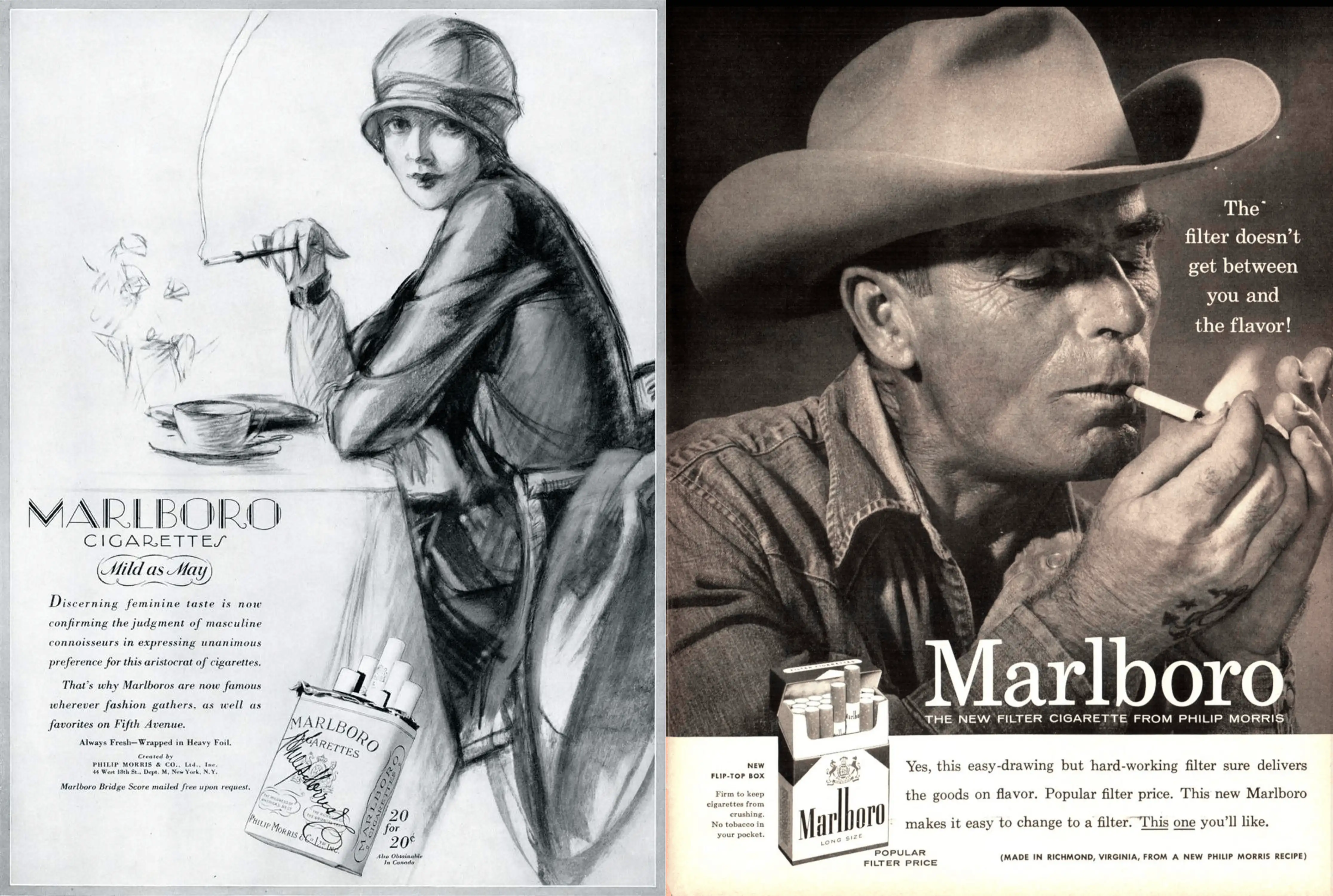
Premier engineered the future. Marlboro romanticized the past.
The comparison isn’t an argument against innovation. Premier had product problems of its own, and cigarette consumption carries severe health harms that sit outside the branding point here. The narrower lesson is that technological difference doesn’t automatically make a challenger mentally competitive. A new answer still has to become plausible enough for people to reconsider the familiar one.
Google built an extraordinarily strong default around another behavior: when you don’t know something, search for it. For years, another search engine largely had to compete with Google inside that behavior. Bing could offer another search box, another index and another page of results, but it still had to persuade someone who already “Googled” things to search somewhere else.
Generative AI has changed part of that comparison. If someone wants an explanation, a summary, a first draft, help thinking through a problem or an answer assembled from several pieces of information, the decision may no longer begin with Google versus Bing. The person can ask an AI assistant directly, which means Google can remain someone’s default search engine while searching the web stops being the default behavior for some of the things that person wants to do.
Generative AI doesn’t need to replace search for that change to matter. Many information needs still depend on search, and the boundaries between search engines and AI assistants are themselves becoming less clear. An AI assistant doesn’t necessarily have to persuade someone to choose it instead of Google Search. For some questions, it changes whether the person searches at all.
Yahoo and MySpace offer another version of the same problem. People didn’t suddenly forget either company when their competitive positions weakened. Their names remained famous while the behaviors that once brought people back to those companies moved elsewhere. Being remembered and remaining the default are not the same thing.
A challenger brand facing a strong default has two quite different ways into the market. It can give customers a reason to reopen a choice they have stopped thinking much about, whether that’s trying another toothpaste instead of automatically picking Colgate or opening a third food-delivery app instead of going straight to Zomato or Swiggy. The more disruptive possibility is to change the choice itself. Swiggy didn’t need to become a better restaurant-listing service if more meals began with delivery, just as an AI assistant doesn’t need to become a better traditional search engine if some questions stop beginning with search.
To compete with a brand that has become the default, a challenger brand can either give customers a reason to reconsider the existing choice or change how the underlying need is solved so that the old default becomes less relevant.
A Mental Market Monopoly lasts while the familiar choice continues to work well enough that customers have little reason to look elsewhere. A disappointing product can reopen the decision, as can a sufficiently compelling competitor. Sometimes the larger disruption comes from changing the behavior around the need so thoroughly that the old comparison becomes less important.
What Is a Mental Moat? Brand Loyalty, Habit and Switching Costs
If you have bought the same toothpaste for ten years, seven alternatives might be sitting beside it and switching could require nothing more than moving your hand fifteen centimeters along the shelf. There is no contract to cancel, data to migrate, employee to retrain or device that will stop working. Colgate doesn’t own your toothbrush, Sensodyne doesn’t need permission to acquire you as a customer, and there is no technical reason you couldn’t buy a completely different toothpaste tomorrow.
People still buy the same toothpaste for decades.
Enterprise software works almost the opposite way. A company may genuinely prefer a competing platform and still decide not to switch because leaving means migrating years of data stored in vendor-specific formats, rebuilding integrations, retraining employees and changing workflows. A software company may also have long-term contracts and become deeply connected to other systems the customer depends on, creating structural switching costs that make leaving expensive even when the customer wants to go.
A toothpaste brand has almost none of those protections, but it can occupy a position in the customer’s head strong enough that switching rarely becomes a question.
Brand loyalty, habit and switching costs all produce the same visible behavior of someone repeatedly choosing the same brand, even though the reasons for that repetition differ. Brand loyalty involves preference or commitment toward a brand, habit reduces how much conscious attention someone gives to a repeated choice, and switching costs make changing more expensive, inconvenient or uncertain. Mental Market Monopoly is concerned with what has happened to the competition inside the customer’s consideration.
When that market becomes concentrated enough, the brand has something resembling a mental moat. A mental moat is competitive protection created when customers see little reason to reconsider alternatives even though little or nothing structurally prevents them from switching.
A structural moat protects a company because the customer has something to lose by leaving: data, integrations, accumulated network value, money, time or compatibility. A mental moat doesn’t require the same cage around the customer. Someone may be completely free to switch and simply see no reason to.
A consumer brand that cannot rely on contracts, migration costs or deeply embedded integrations has to keep many smaller things working together. The product has to keep doing what people expect, distribution has to put it within reach when the need appears, the price has to remain acceptable, packaging has to remain recognizable, and advertising helps keep the brand retrievable while years of satisfactory experiences make the next purchase easier than reconsidering the shelf.
Coca-Cola’s contour bottle makes more sense in that context, as does Thanda Matlab Coca-Cola and the continuing advertising of a company that virtually everyone already knows. Coca-Cola doesn’t own the refrigerator, and nothing prevents someone standing in front of it from choosing another drink. Maintaining the mental position requires product, distribution, distinctive assets, memory, context and experience to keep working together.
Software gives us another version of the same problem. If Google Maps already gets you where you need to go, using Apple Maps or Waze on the next journey isn’t particularly difficult. You don’t have to cancel a contract, retrain a company or rebuild an integration. You can open another app.
But that assumes you have decided to reconsider maps in the first place.
When someone needs directions, the question may simply be Where am I going? rather than Which mapping product should I use? The product choice has receded behind the task. Google Maps may have saved places, history and other accumulated value that add genuine switching friction, but for the basic act of getting directions, the larger obstacle to another maps app may be getting someone to make the choice again.
The effort isn’t necessarily in moving from one product to another. It is in deciding that the familiar answer needs reconsidering at all.
By the time someone reaches for the same toothpaste, opens the same mapping app or asks for the same soft drink without comparing alternatives, the final action requires almost no thought even though creating the conditions for that choice may have taken years.
Behavioral economics uses the term default effect, usually to describe people’s tendency to remain with an option that has already been selected or designated for them. Nobody needs to preselect Colgate on a supermarket shelf for someone to repeatedly buy Colgate without seriously reconsidering Crest, Sensodyne or another alternative. Repeated successful purchases can create a mental default without creating a contractual or externally selected one.
The narrowing looks something like this:
Remembered → Considered → Default → Increasingly Automatic
A brand can be remembered without being considered, and being considered doesn’t make it the default. A brand becomes a default when customers repeatedly choose it successfully and gradually spend less time considering alternatives. With enough repetition, buying the familiar brand becomes increasingly automatic even though competing products remain readily available.
This isn’t a four-stage branding framework that every company inevitably passes through. Eight toothpaste brands can remain on the shelf throughout the entire progression while the customer’s consideration moves from several brands toward one. A competing toothpaste brand may therefore have to accomplish something before convincing the customer that its toothpaste is better: make comparing toothpastes again feel worthwhile.
The customer hasn’t been prevented from leaving. The competitor has to give them a reason to start looking.
Mental Market Monopoly vs Market Share
Imagine two people who both bought Coke yesterday. One looked at Coke, Pepsi and two other drinks, checked the prices and eventually chose Coke. The other simply asked for Coke without considering another cola. Coca-Cola records one sale from each customer even though the competitive situations underneath those sales are completely different. The first Coke had to win an active comparison; for the second customer, most of the cola market had already disappeared before the sale was recorded.
Market share measures the proportion of sales captured by a brand across a market. Mental Market Monopoly describes how concentrated an individual customer’s consideration has become around that brand before the sale occurs.
A company can have high market share without having a strong Mental Market Monopoly among many of its customers. If people routinely compare the company with three competitors before choosing it, the company may simply be very good at winning an active comparison. A smaller company can occupy the opposite position, with modest overall market share but a particular group of customers who almost never considers anyone else.
Two companies with similar sales can also have very different kinds of defensibility. One needs to win the comparison repeatedly, another has customers for whom the comparison rarely begins, while a third is protected by contractual or technological switching costs even though its customers actively consider leaving. Looking only at the final sale makes those competitive positions appear more similar than they really are.
Most markets are measured by looking at what is available, what people bought and how much share each company captured, but somewhere between availability and purchase every customer creates a much smaller market. Someone might know eight brands and remember five when the need appears, seriously consider three and usually choose between two. Eventually, one of those brands may work reliably enough, often enough, that reopening the larger comparison starts to feel unnecessary.
The other brands haven’t disappeared. Their products may still be on the shelf, their apps installed on the phone and their advertisements visible everywhere. Economically, they remain competitors even if, for this particular customer and this particular choice, several of them are no longer seriously competing at all.
Nearly 200,000 taste tests gave Coca-Cola an extraordinary amount of information about what happened when people were asked to compare drinks. The researchers could remove the label, the bottle and everything else that might interfere with the taste comparison, put the products beside one another and ask people which one they preferred.
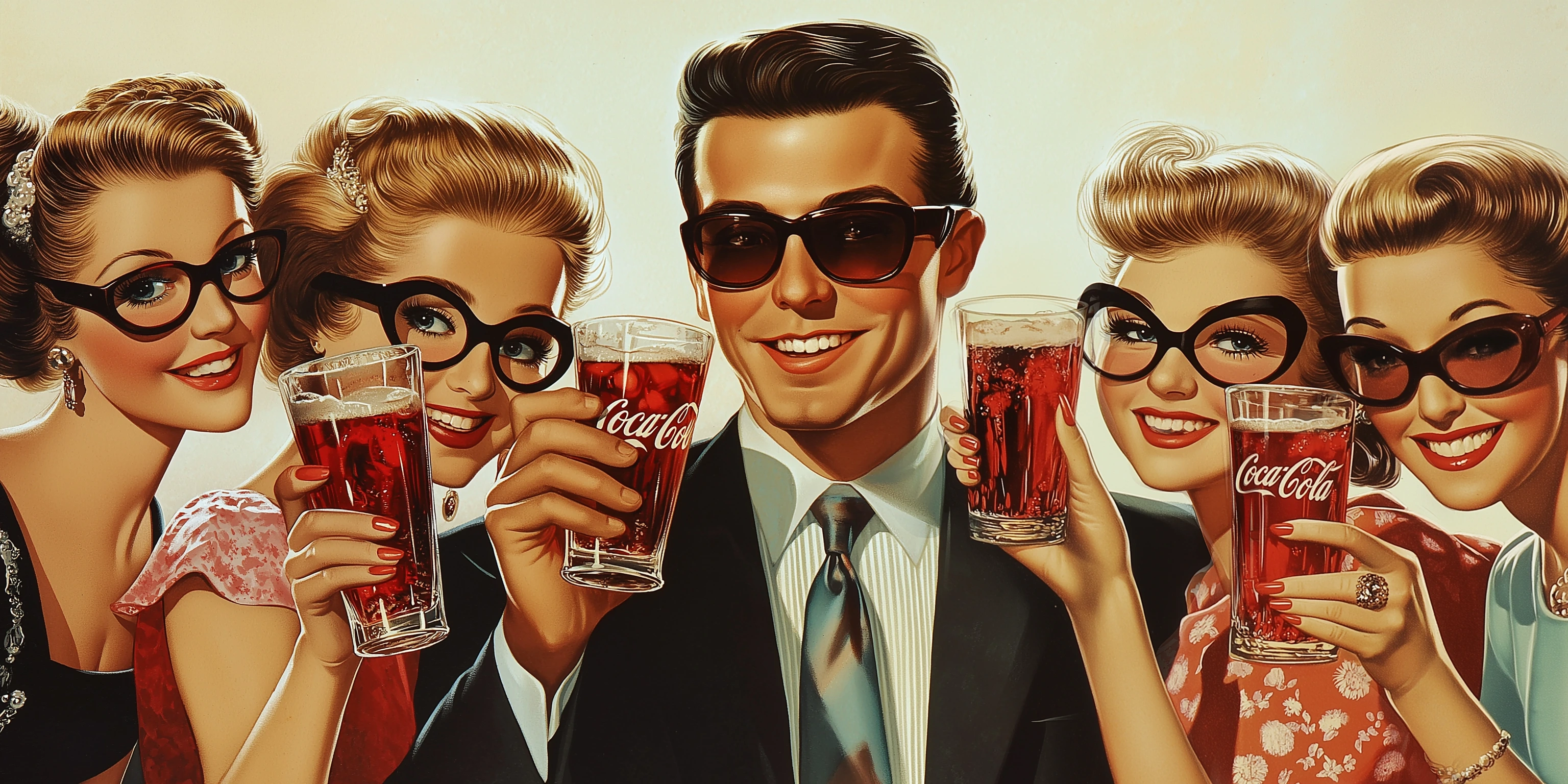
What the experiment couldn’t reproduce was how often people made that comparison in everyday life.
Outside the test, Coca-Cola didn’t arrive as an anonymous brown liquid. It arrived as Coke, with the bottle, lettering, taste, memories, availability and decades of accumulated familiarity attached. For many customers, Pepsi and the other alternatives were still physically available even when the decision had become much smaller in their heads.
Coca-Cola thought it was changing the answer. What it discovered was how many people had stopped asking the question.

 Hide reactions